Mitragyna Hirsuta – Alkaloids & Chemical Profile

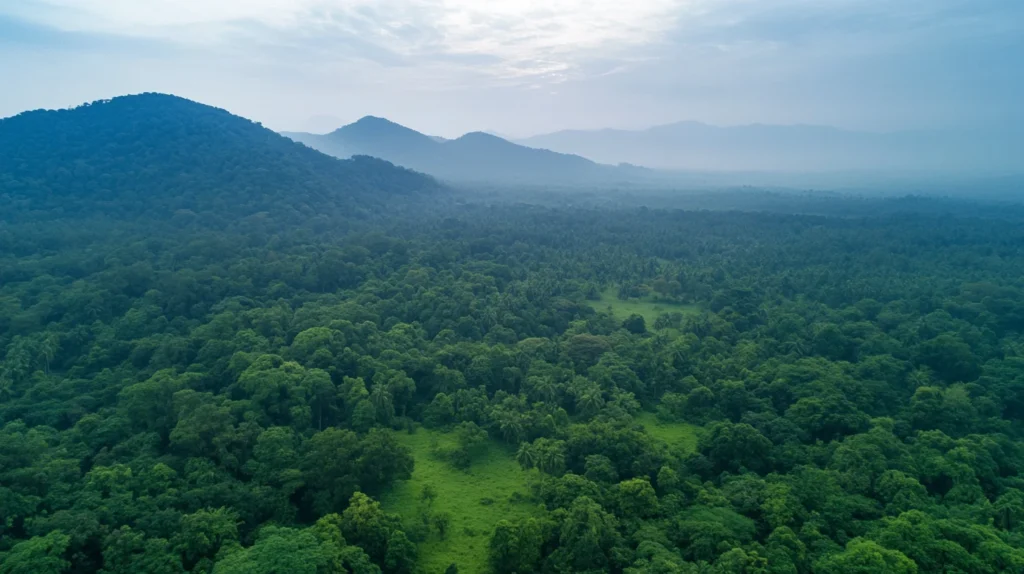
Wild Mitragyna Hirsuta trees in Thailand

Mitragyna Hirsuta is a species within the Rubiaceae family that grows naturally in Southeast Asia. In this article, we examine the alkaloid profile of Mitragyna hirsuta – which substances have been identified, how they differ from other species in the same genus, and what scientific literature shows.

The purpose is to provide an objective, research-based overview of the naturally occurring alkaloids in Mitragyna Hirsuta and how these contribute to the plant’s botanical identity.

Introduction to Alkaloids in Mitragyna Species

Alkaloids are nitrogen-containing, natural compounds that often occur in plants. In the Mitragyna genus, several alkaloids have been identified as interesting for botanical research and chemical analysis. They play a role in the plant’s defense, growth regulation, and interaction with its environment.

In certain species, such as Mitragyna speciosa, alkaloids like mitragynine and 7-hydroxymitragynine dominate. However, in Mitragyna Hirsuta, the profile appears different.

Identified Alkaloids in Mitragyna Hirsuta

Several analyses, particularly using GC-MS and LC-MS, have identified the following alkaloids in Mitragyna Hirsuta:

  • Mitraphylline – An oxindole alkaloid that often occurs in the highest concentration
  • Rhynchophylline – Has been reported in certain studies, though in varying amounts
  • Isomitraphylline – Structurally similar to mitraphylline
  • Ajmalicine (raubasine) – Occurs in several species in the Rubiaceae family

It is important to note that mitragynine and 7-hydroxymitragynine have not been detected in M. Hirsuta, which makes it chemically distinct from, for example, M. speciosa.

Known Research Sources and Analyses

The analysis of M. Hirsuta’s chemical content has been conducted in several academic contexts, often using:

  • Gas chromatography–mass spectrometry (GC-MS)
  • Liquid chromatography–mass spectrometry (LC-MS)
  • HPLC and IR spectroscopy

According to studies from Thailand, among others, mitraphylline has been identified as the primary alkaloid. Substance levels vary depending on geography, harvesting method, and the plant’s maturity.

Comparison with Other Mitragyna Species

Species Primary Alkaloids Contains Mitragynine?
Mitragyna Hirsuta Mitraphylline, rhynchophylline (possibly), ajmalicine No
M. speciosa Mitragynine, 7-hydroxymitragynine, paynantheine Yes
M. javanica Ajmalicine, mitrajavine, isomitraphylline No

Factors Affecting Alkaloid Profile

The alkaloid profile in plants is influenced by several external and internal factors, such as:

  • Geographic growing location – Soil type, climate, and altitude
  • Harvest time – Young leaves and older leaves have different chemical content
  • Drying method – Rapid drying vs. shade drying affects chemical stability
  • Processing – Mechanical grinding in stainless steel preserves more of the plant’s natural profile

Summary

Mitragyna Hirsuta alkaloids differ clearly from other species in the same genus. With mitraphylline as the primary compound, and the absence of mitragynine, the species has a unique botanical fingerprint. This makes it interesting for analytical, botanical, and chemical studies.

Would you like to read more about Mitragyna Hirsuta as a botanical raw material? Please visit our product page.

Do you have questions? See frequently asked questions or contact us. Would you like to know more about us as a company? Please read About us.

To the shop

Leave a Reply

Your email address will not be published. Required fields are marked *