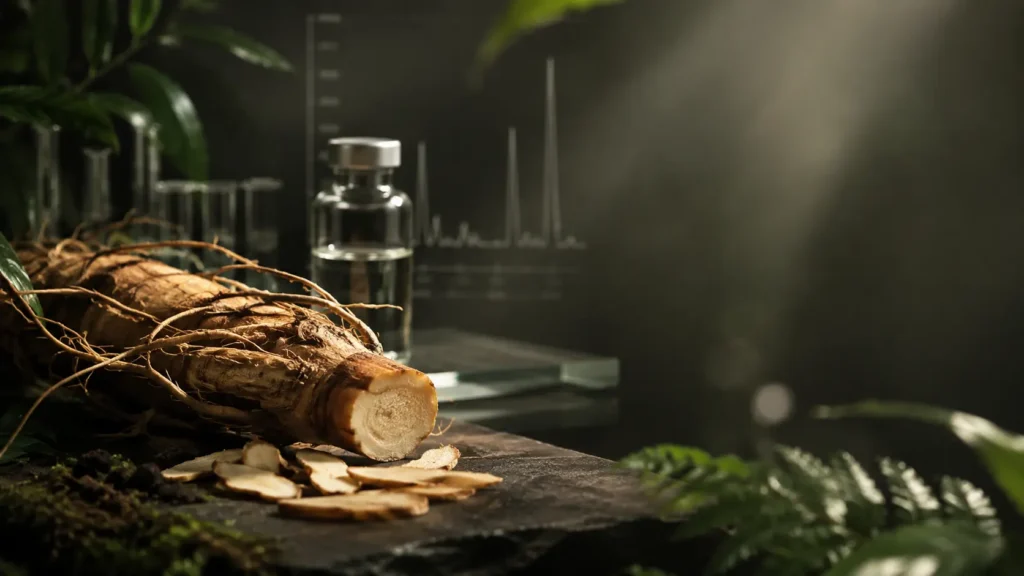
What is eurycomanone? It is a naturally occurring plant compound that researchers have identified in Eurycoma longifolia, the plant commonly known as Tongkat Ali. The compound belongs to the quassinoids and is used, among other things, as a chemical marker compound in quality control of certain Tongkat Ali extracts. Contents What is eurycomanone? Why is […]
Category Archives: Botanicals
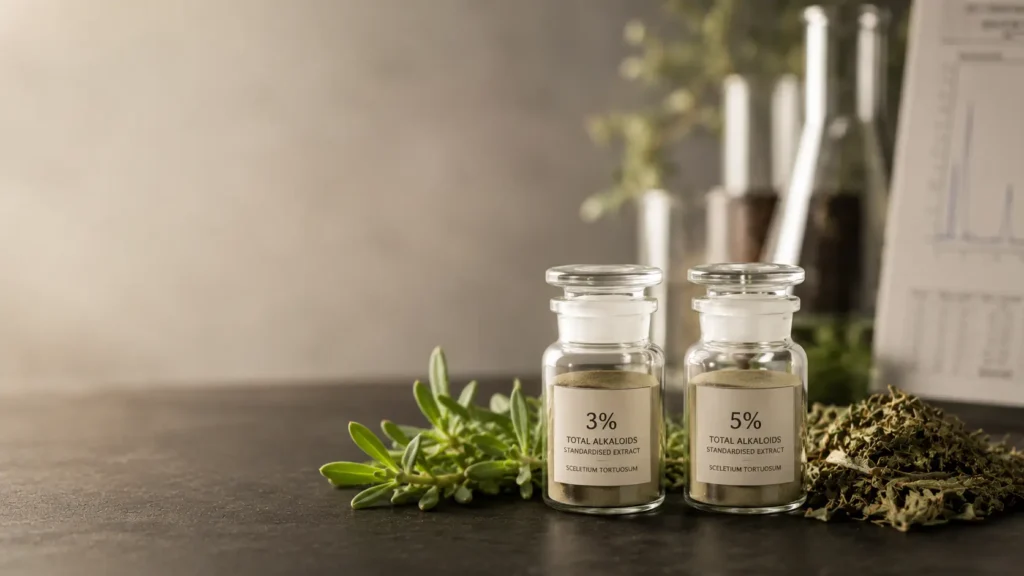
3% and 5% Kanna extract normally describe the total alkaloid content of a standardised extract. However, the percentages do not automatically show the amount of mesembrine, and on their own they do not say everything about the quality of the raw material. A proper comparison also requires reviewing the alkaloid profile, the analytical method, the […]
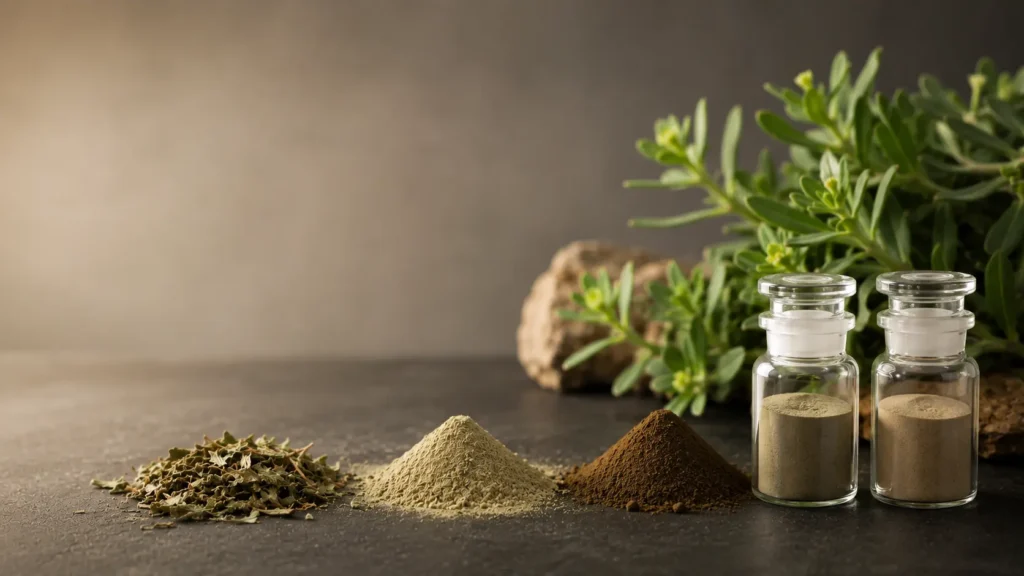
Kanna Powder or Extract? The Difference Between Raw Material, 50:1 and Standardised Extracts Kanna is available as crushed plant material, powder, ratio extracts and standardised extracts. These products can come from the same botanical species yet still differ clearly in processing, concentration claims, alkaloid analysis and documentation. That is why Kanna powder, a 50:1 extract […]
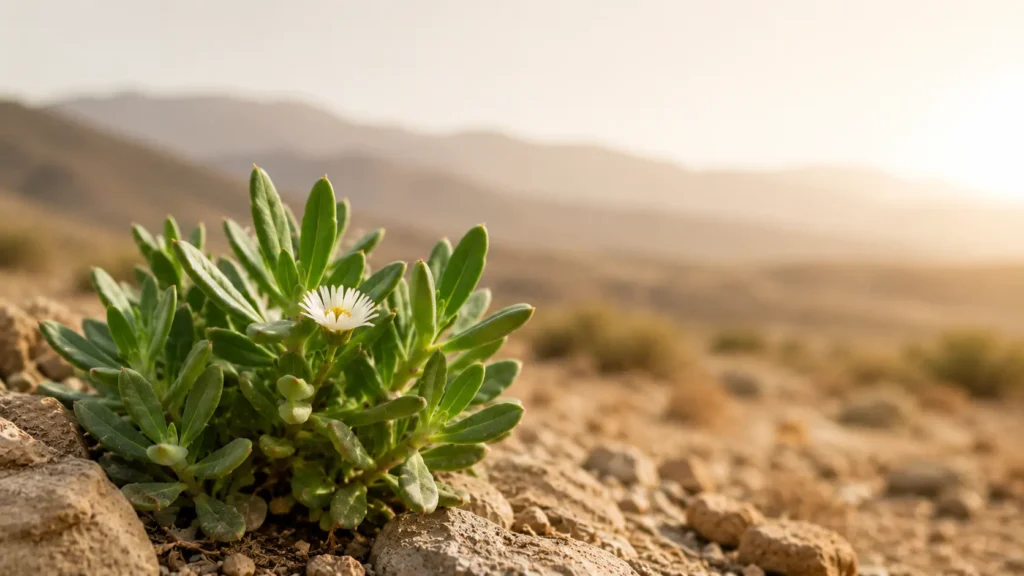
Kanna is an established name for the South African succulent Sceletium tortuosum. Botanical databases now treat this name as a synonym of Mesembryanthemum tortuosum. The plant is available as crushed plant material, powder, ratio extracts and standardised extracts with a defined total alkaloid content. Published and fact-checked: 23 July 2026 · By: Aromexperten Important information […]
Cbd legal guide · HTML Is CBD oil legal in Sweden? The question cannot be answered with a general yes or no. Authorities assess the product’s content, product form, intended use, and marketing. THC content, medicinal product classification, and food regulations all affect how a particular product is assessed. This guide summarizes the most important […]
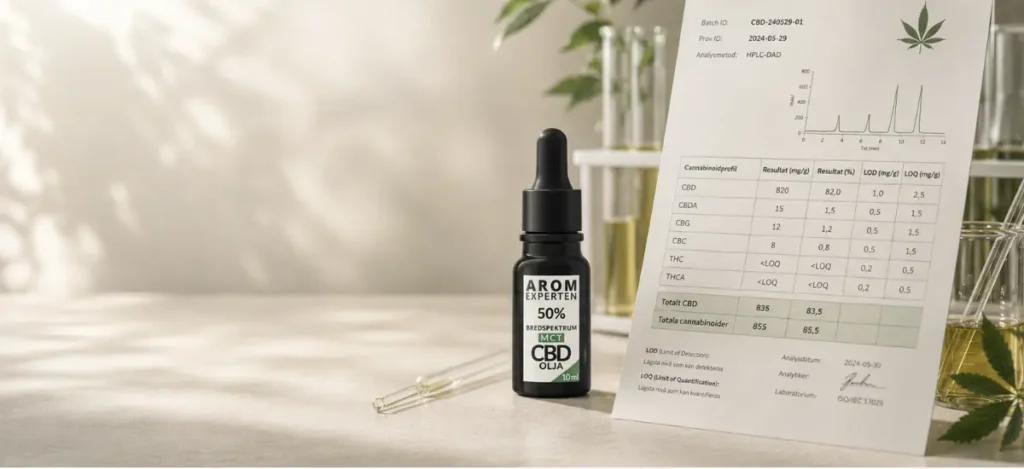
CBD Certificates of Analysis, often called COAs, show what a laboratory has examined in a specific sample. The document reports cannabinoids, analysis method, reporting limits, and the identity of the sample. The crucial part is to check which sample the certificate applies to, as a raw material analysis and an analysis of the finished product […]
Physta® is a trademarked and standardized water extract from the root of Eurycoma longifolia, the plant often called Tongkat Ali. The manufacturer uses Malaysian root material and controls several chemical and physical parameters for each batch. This distinguishes Physta® from ordinary root powder and from many generic ratio extracts. Published and fact-checked: July 11, 2026 […]
Companies use broad-spectrum CBD, full-spectrum, and CBD isolate as designations for different types of cannabinoid raw materials and extracts. An isolate consists primarily of purified cannabidiol, while spectrum extracts contain several substances from the plant. The designations are not sufficient to prove the actual content of the product. That requires relevant laboratory data. This guide […]
What is Tongkat Ali? It is the common name for Eurycoma longifolia, a tropical tree from Southeast Asia. The plant is particularly associated with Malaysia, and producers primarily use the root as a botanical raw material. Therefore, the raw material is available in several forms, including dried root, root powder, and various types of extracts. […]
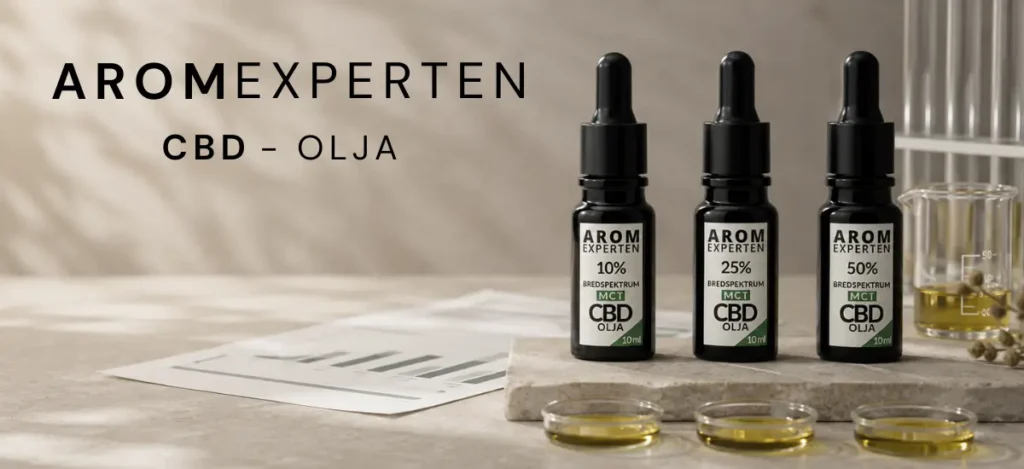
CBD oil percentage describes the declared concentration of CBD in a product. In Aromexperten’s 10 ml bottles, the product specifications correspond to 1000 mg CBD for 10%, 2500 mg for 25%, and 5000 mg for 50%. However, the percentage alone does not indicate how a product is manufactured or documented. This guide compares concentrations without […]